Two-chambered Block Flutes
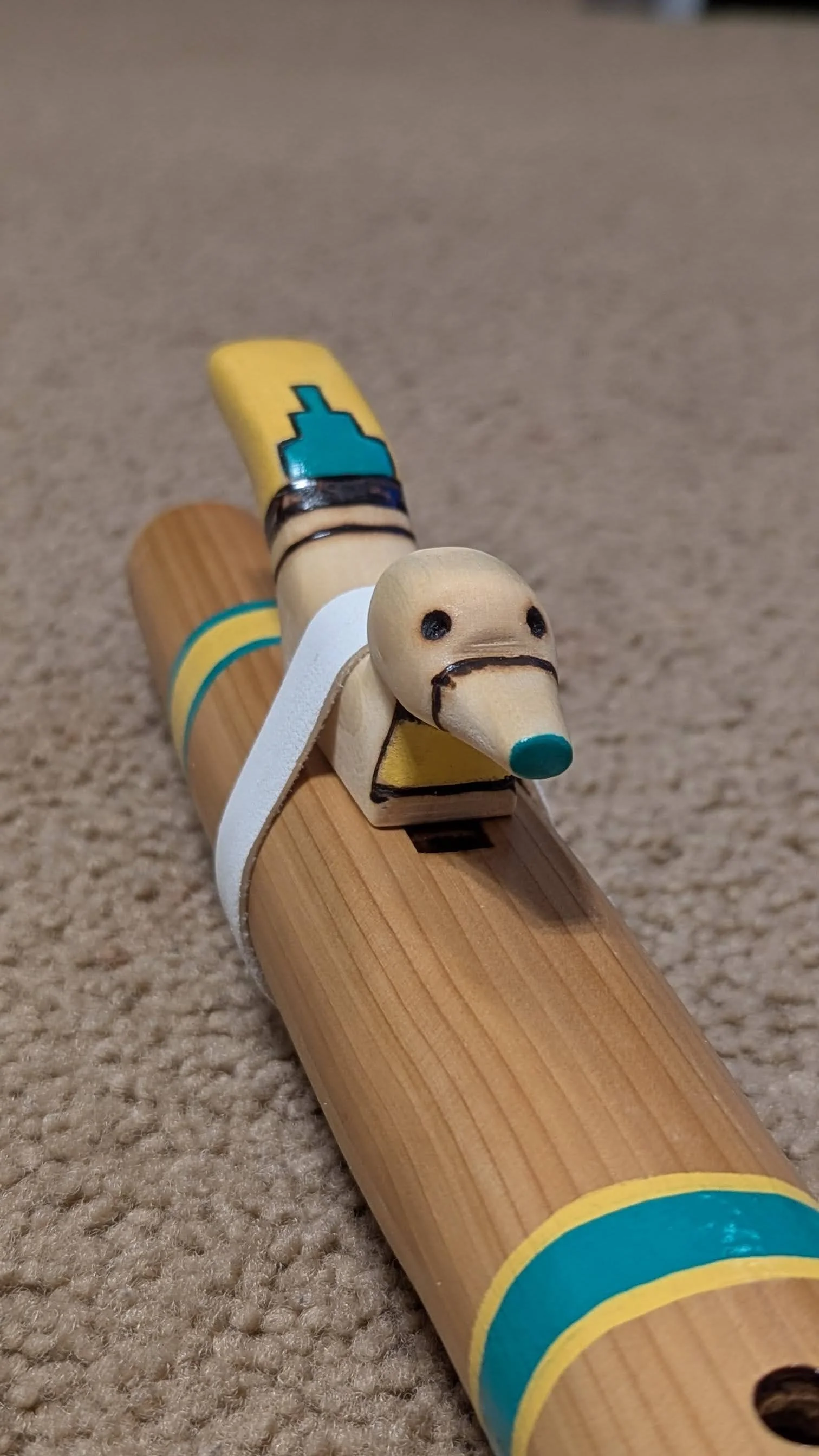
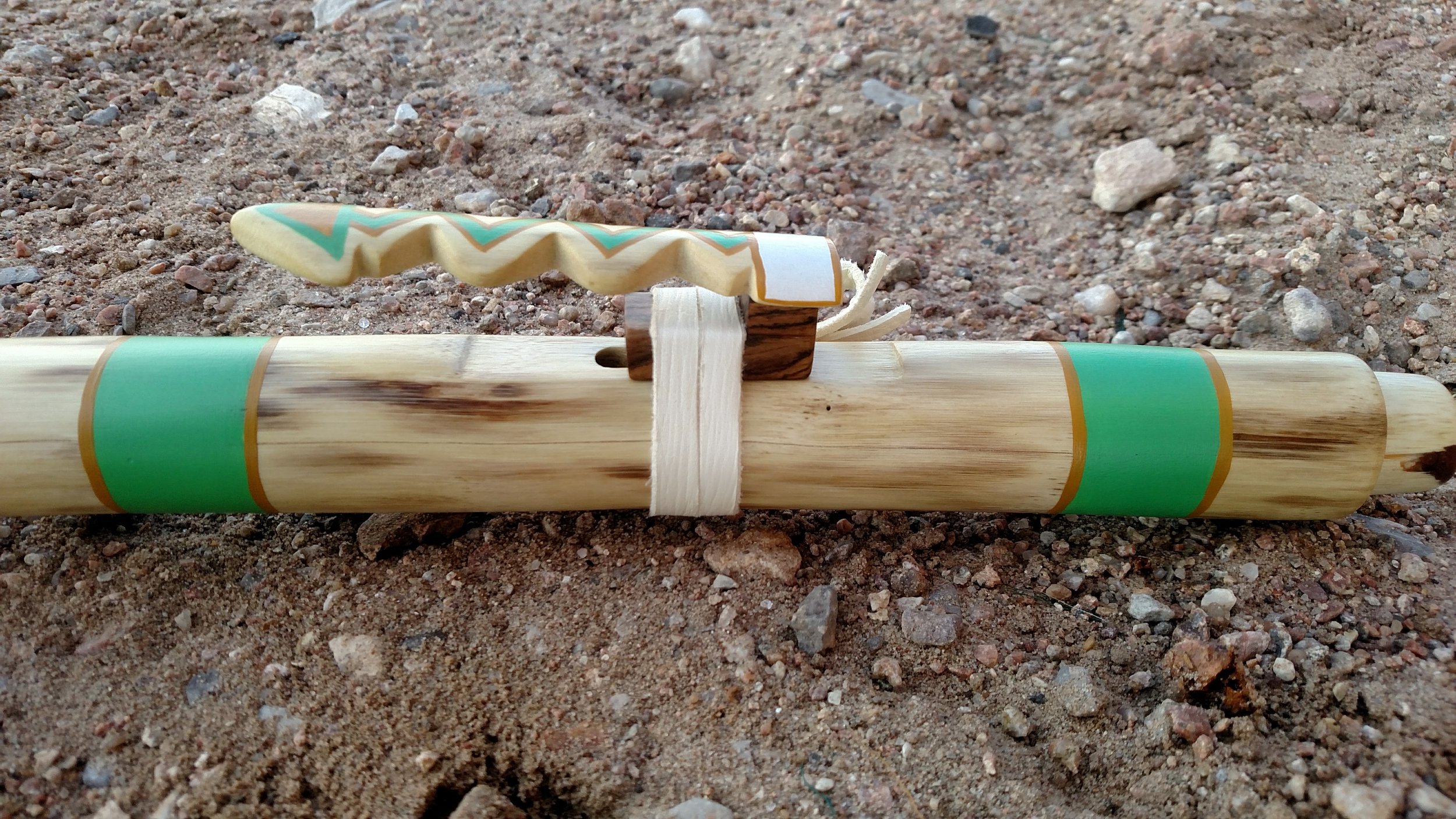
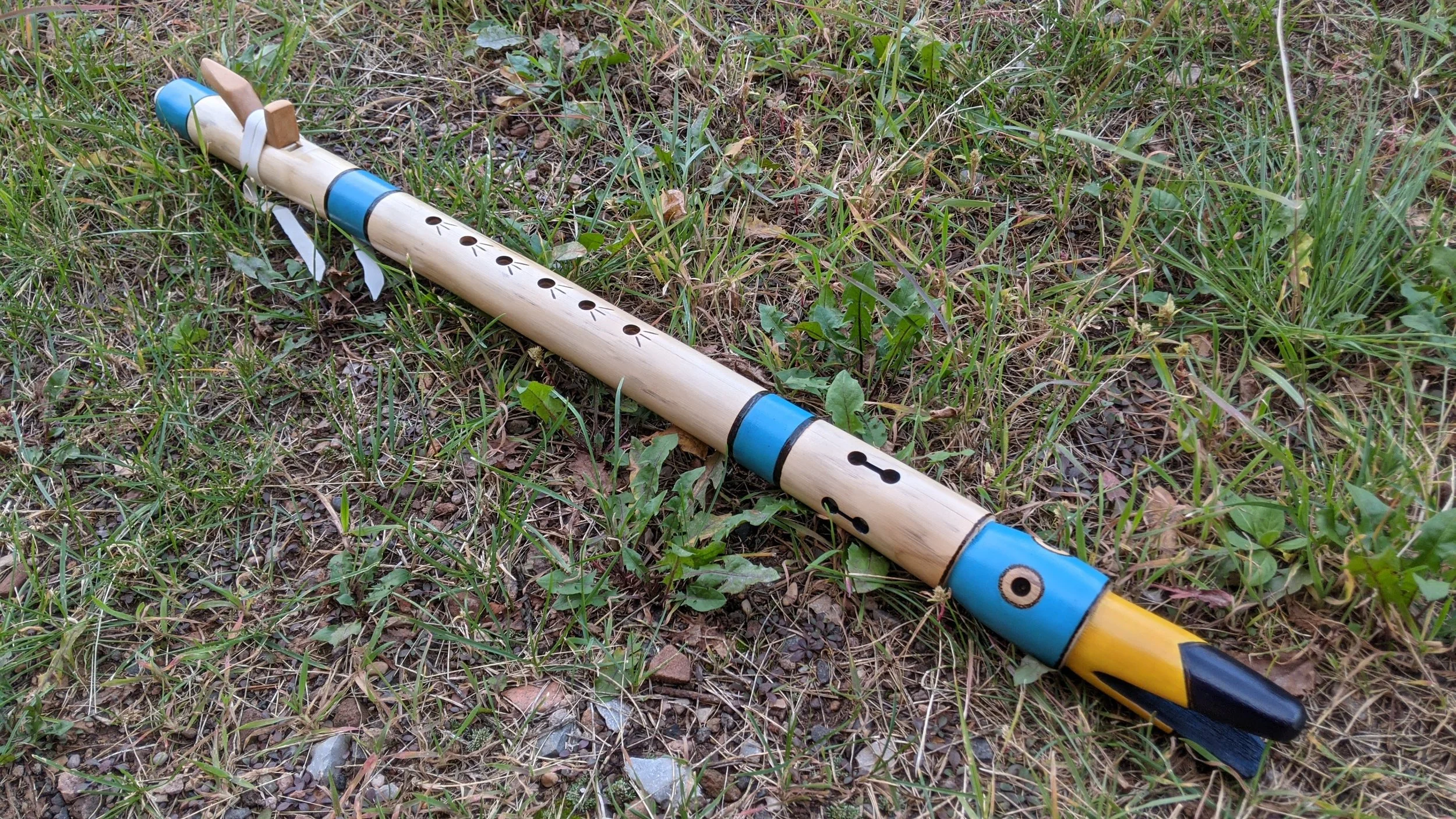
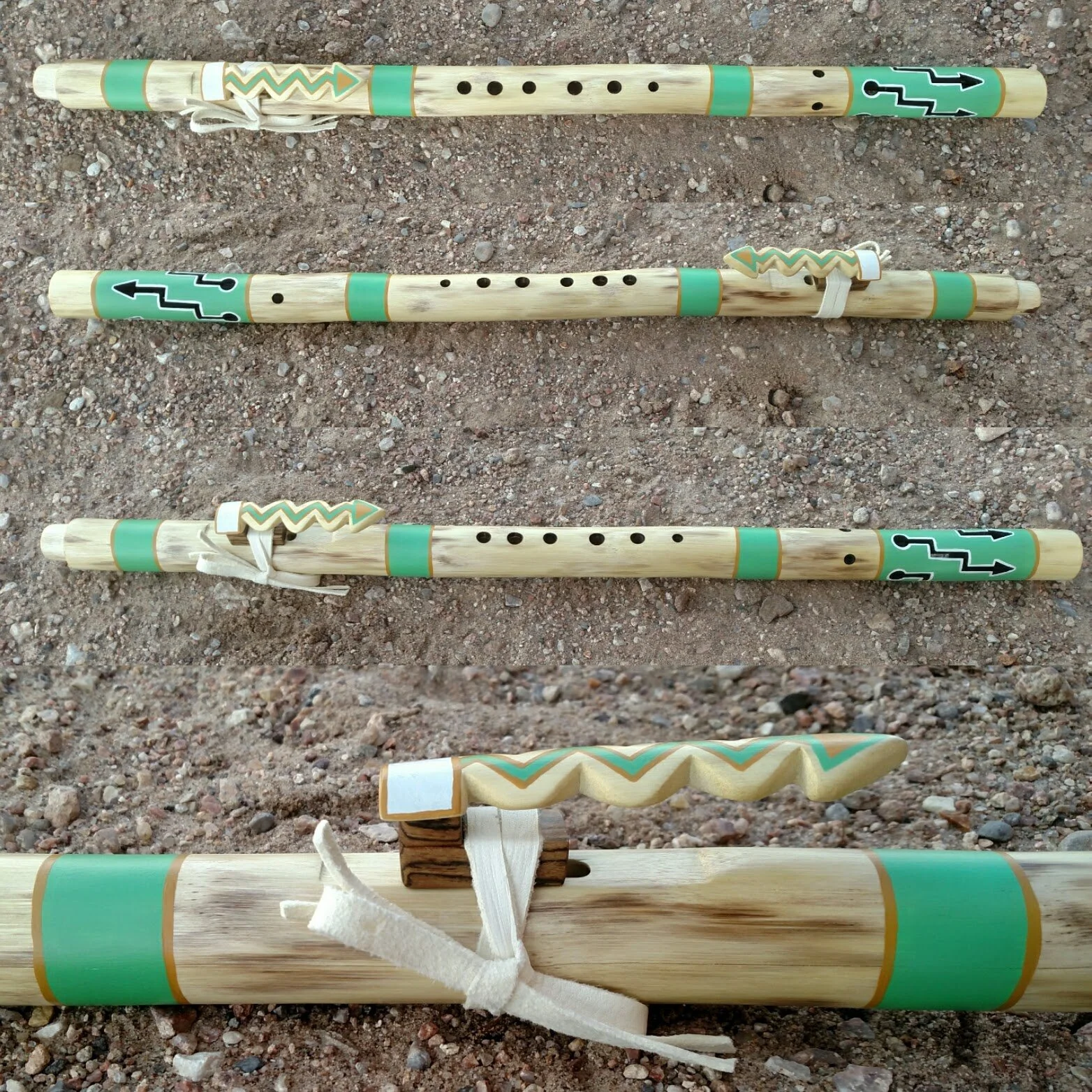
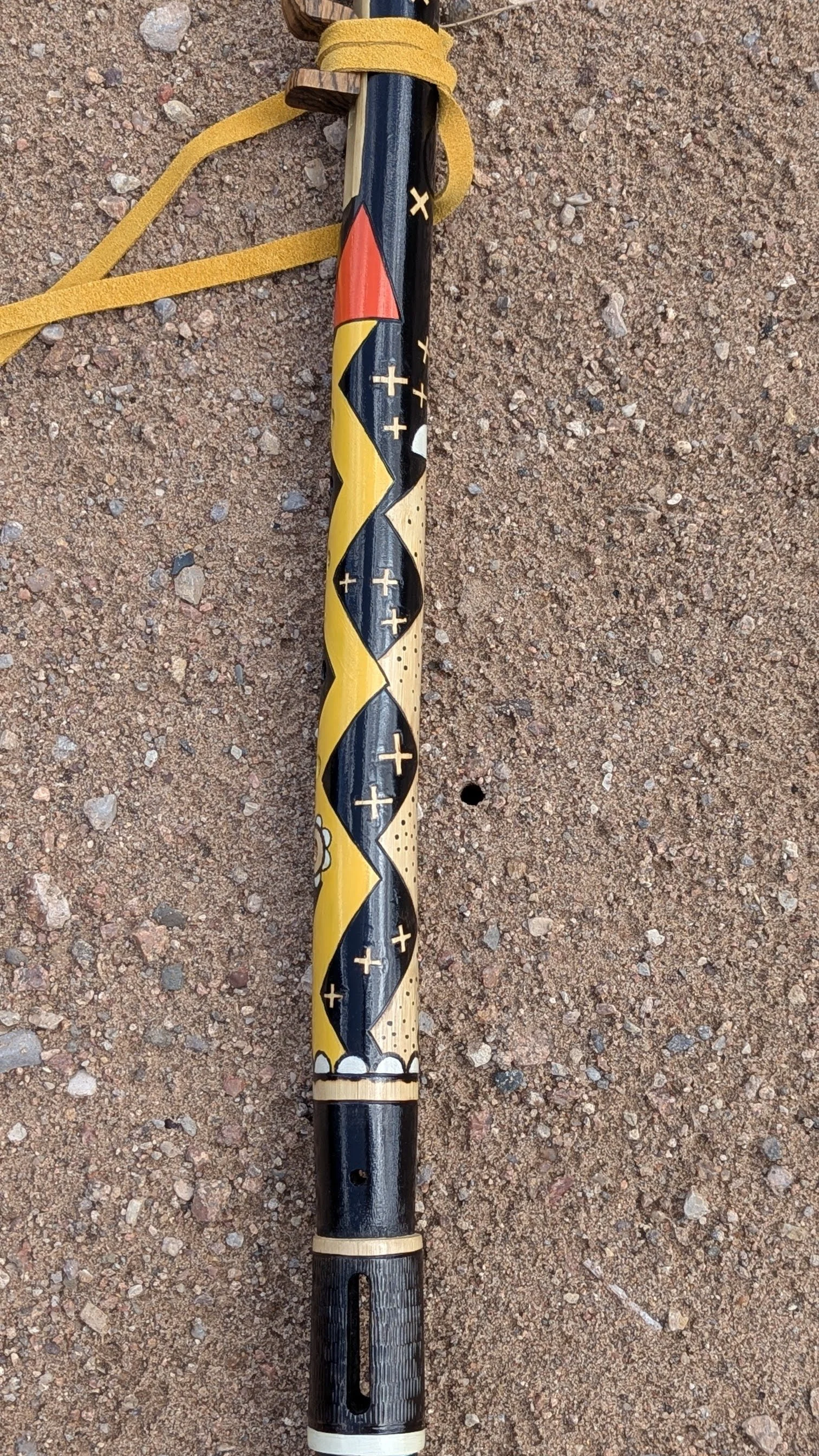
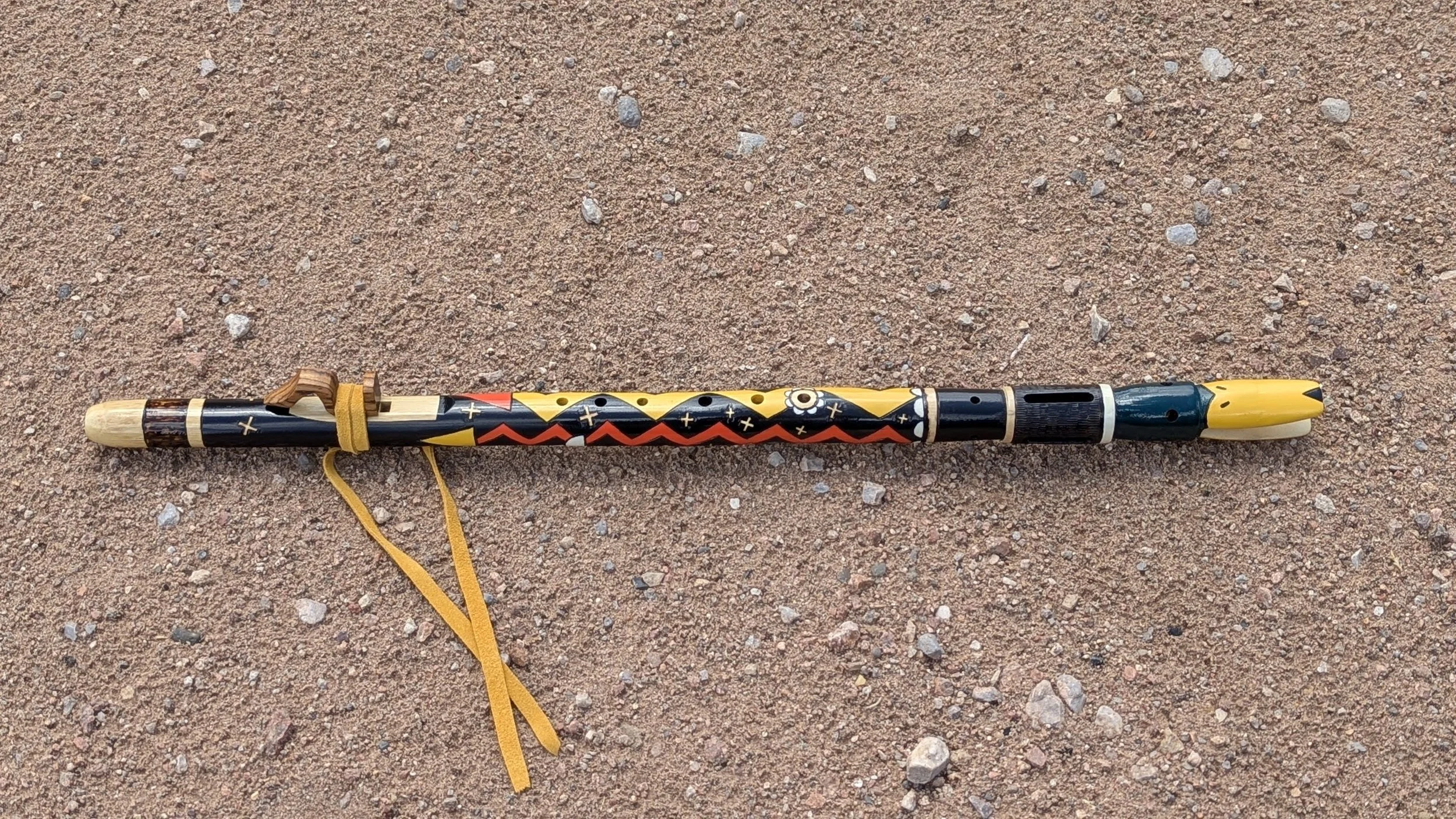
Often called “Native American Style” or block/fetish flutes, these instruments produce a warm, breathy tone. They have two chambers: air moves through a slow-air chamber, a removable block (fetish) directs it over a sound edge, and the main bore resonates. The block shapes the sound, making the flutes beginner-friendly.
History: Modern Native American Style flutes blend Indigenous traditions and later changes. Indigenous peoples across North America made flutes for ceremony, courtship, healing, and storytelling from wood, bone, or river cane. European contact altered many practices, but flutes persisted and evolved. In the late 20th century makers standardized the two-chamber design with a removable block. Most modern flutes use a pentatonic (five-note) tuning—often called the “Native American” scale—to reduce dissonance and ease improvisation.
Craft and features: Block flutes often feature hand-carved bird or fetish blocks that are functional and decorative. Makers shape the bore and place finger holes for reliable pentatonic tuning across octaves. Materials range from traditional woods to contemporary hardwoods and composites, each affecting timbre and response.
Cultural note: Though labeled “Native American Style,” these flutes arise from diverse Indigenous traditions. Respect for their cultural origins is important. Both Indigenous and non-Indigenous makers now contribute through craft, education, and performance.