Rarámuri Style Flutes
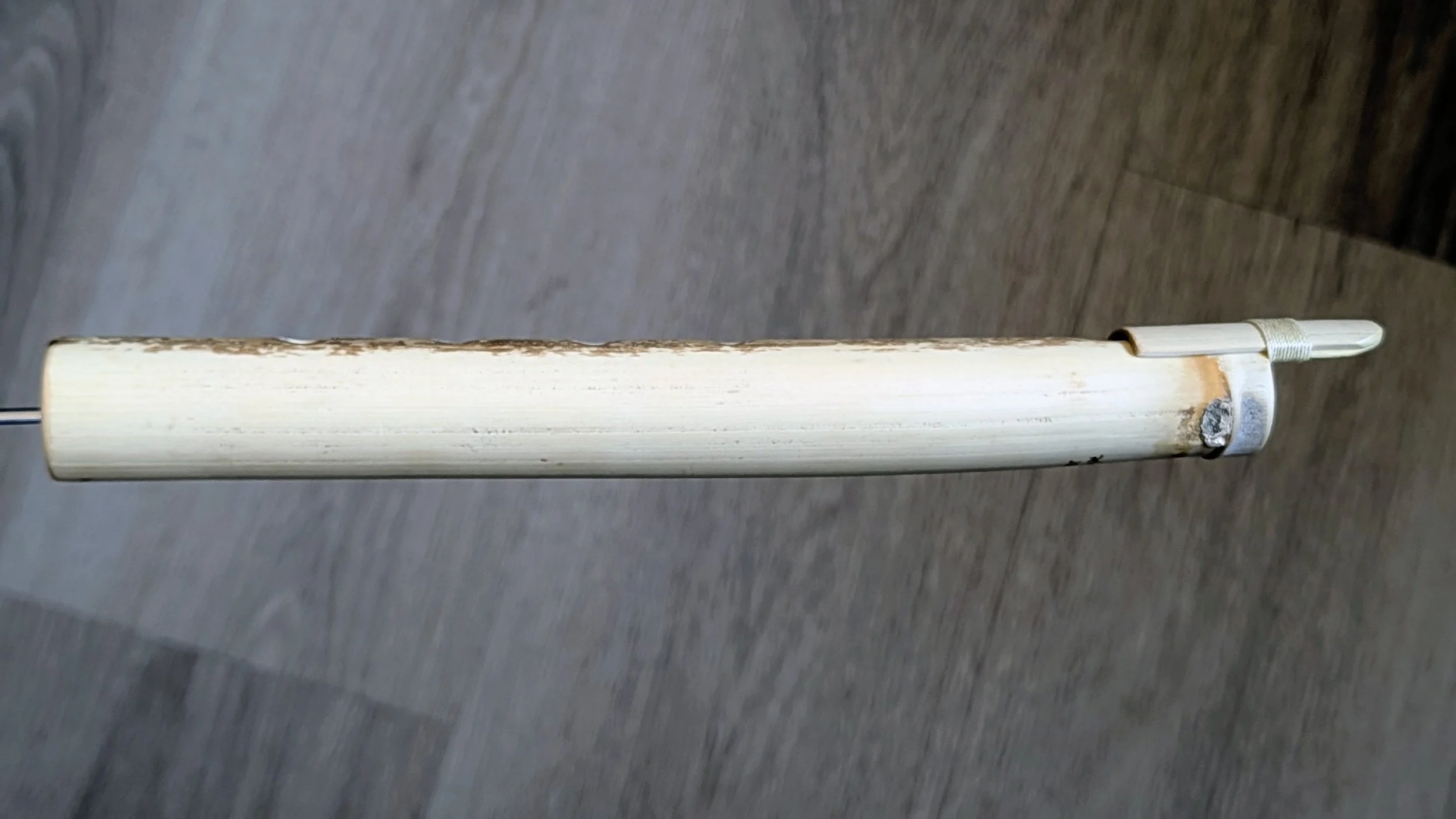
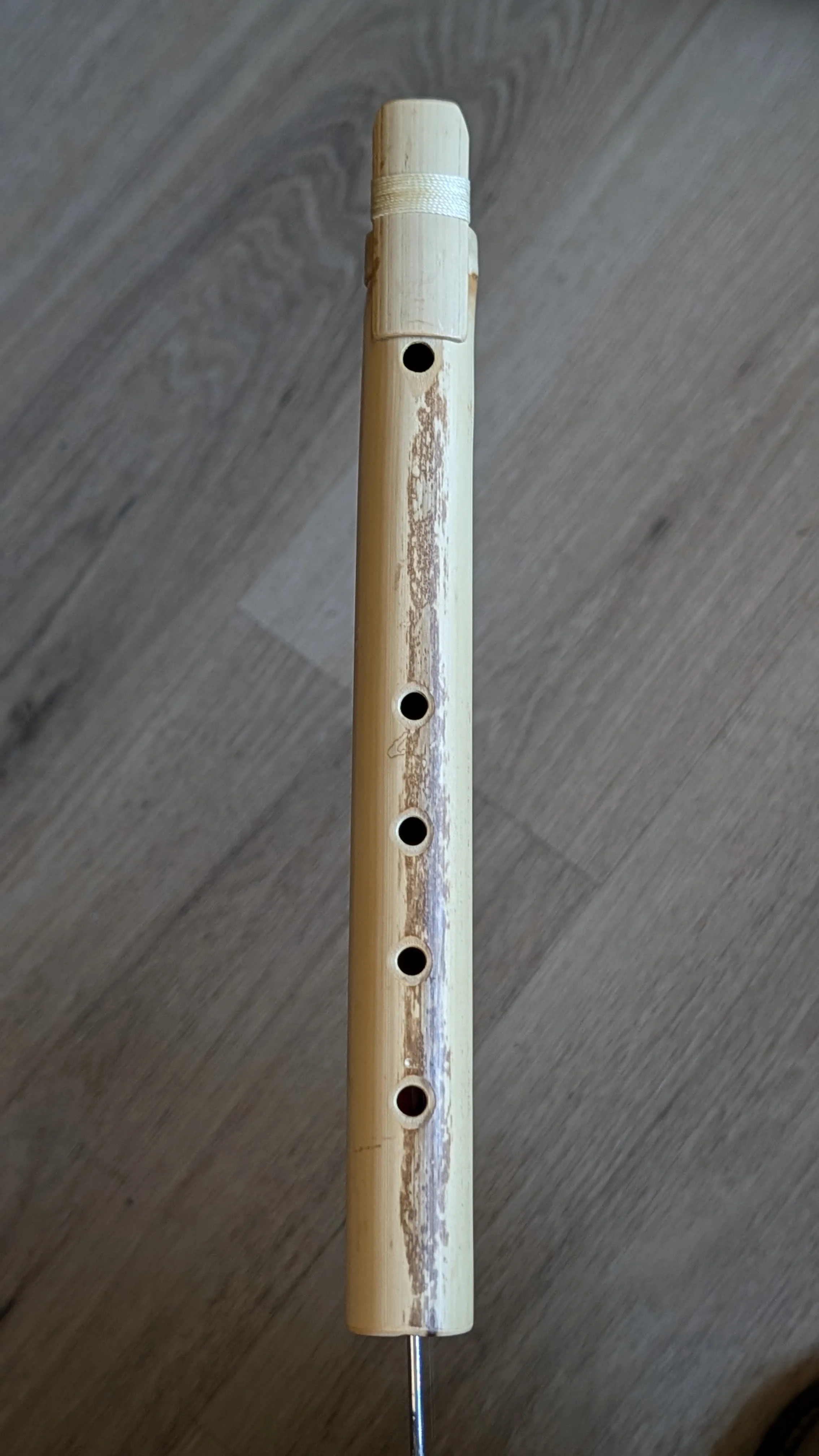
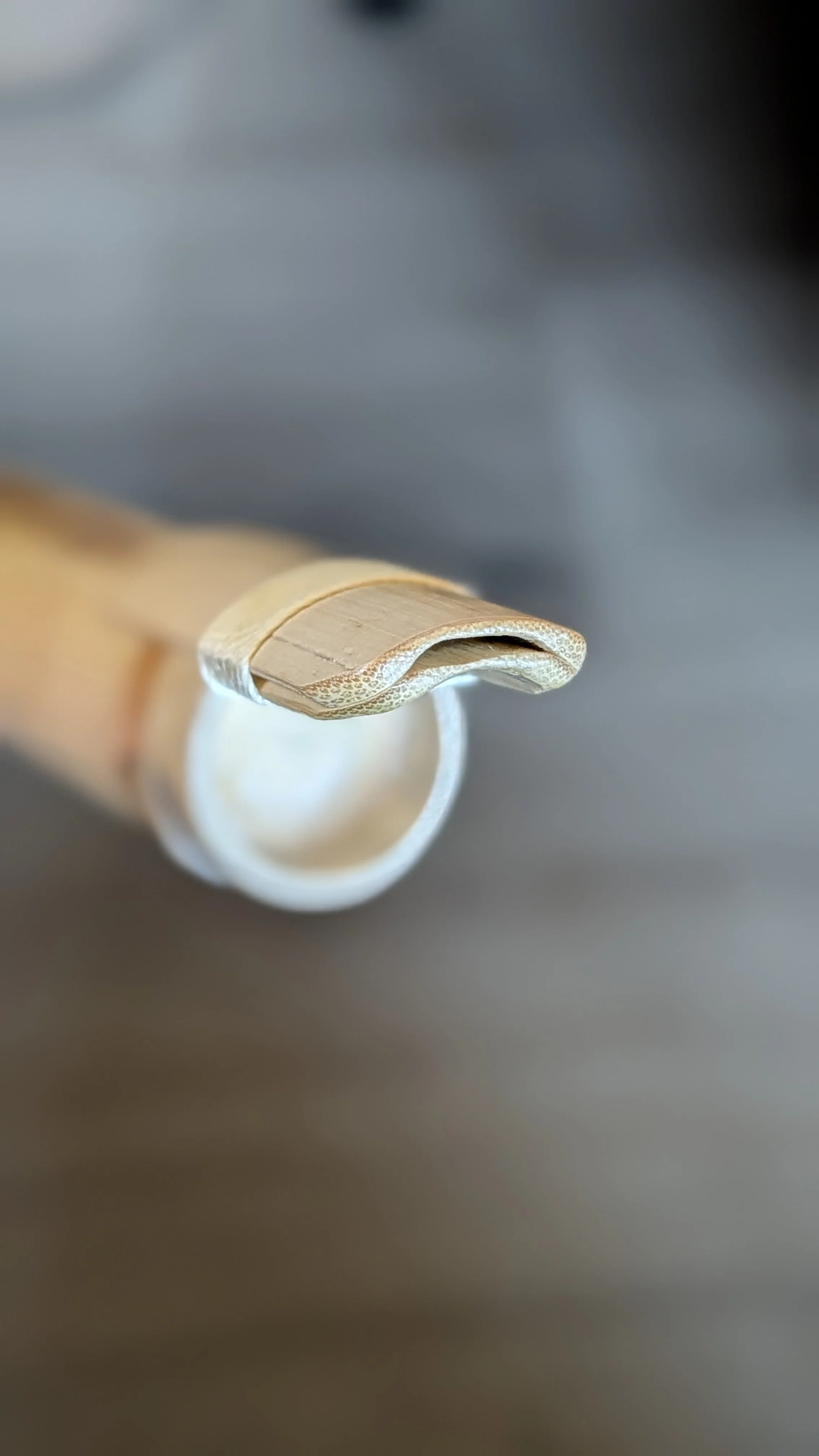
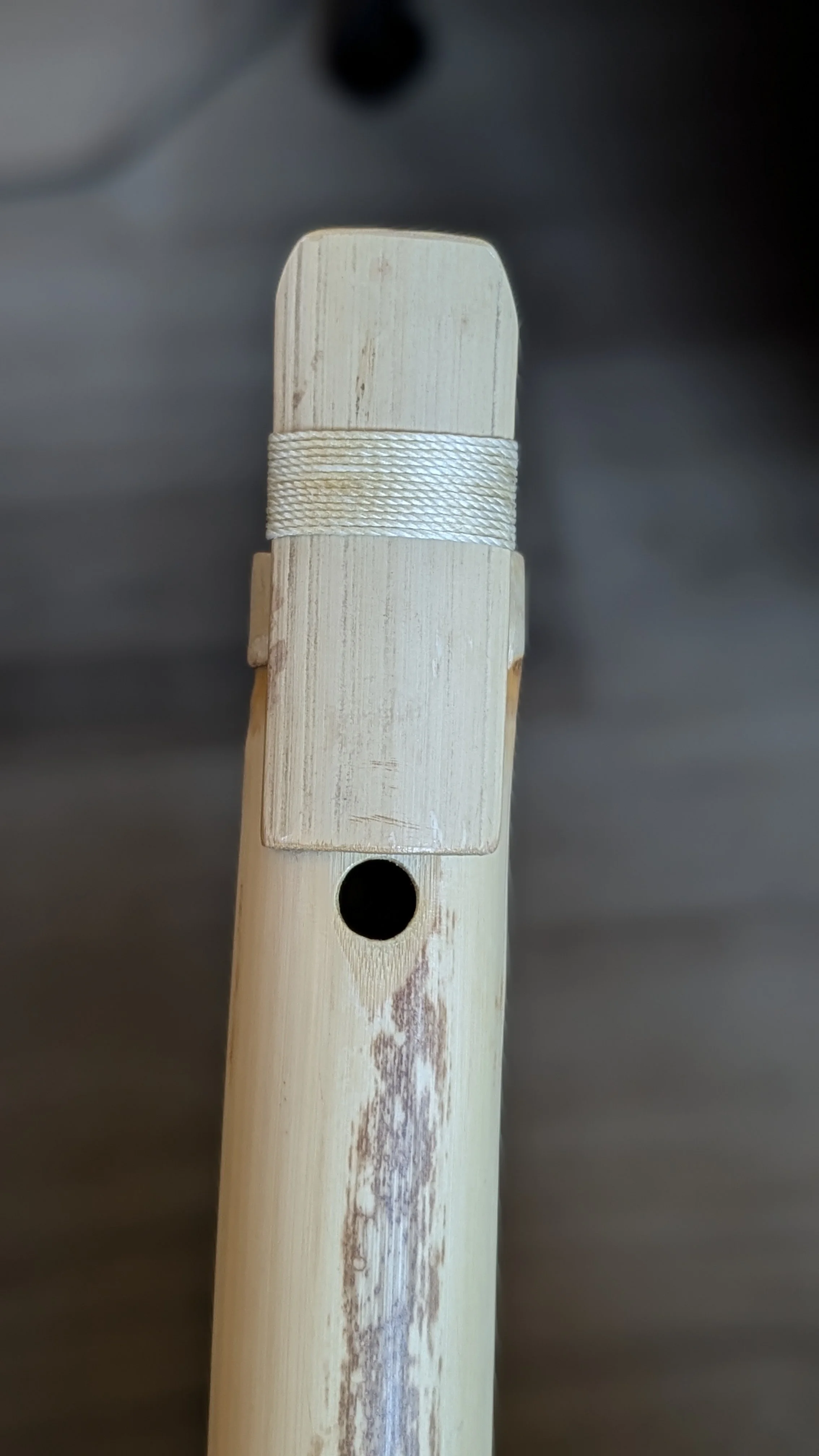
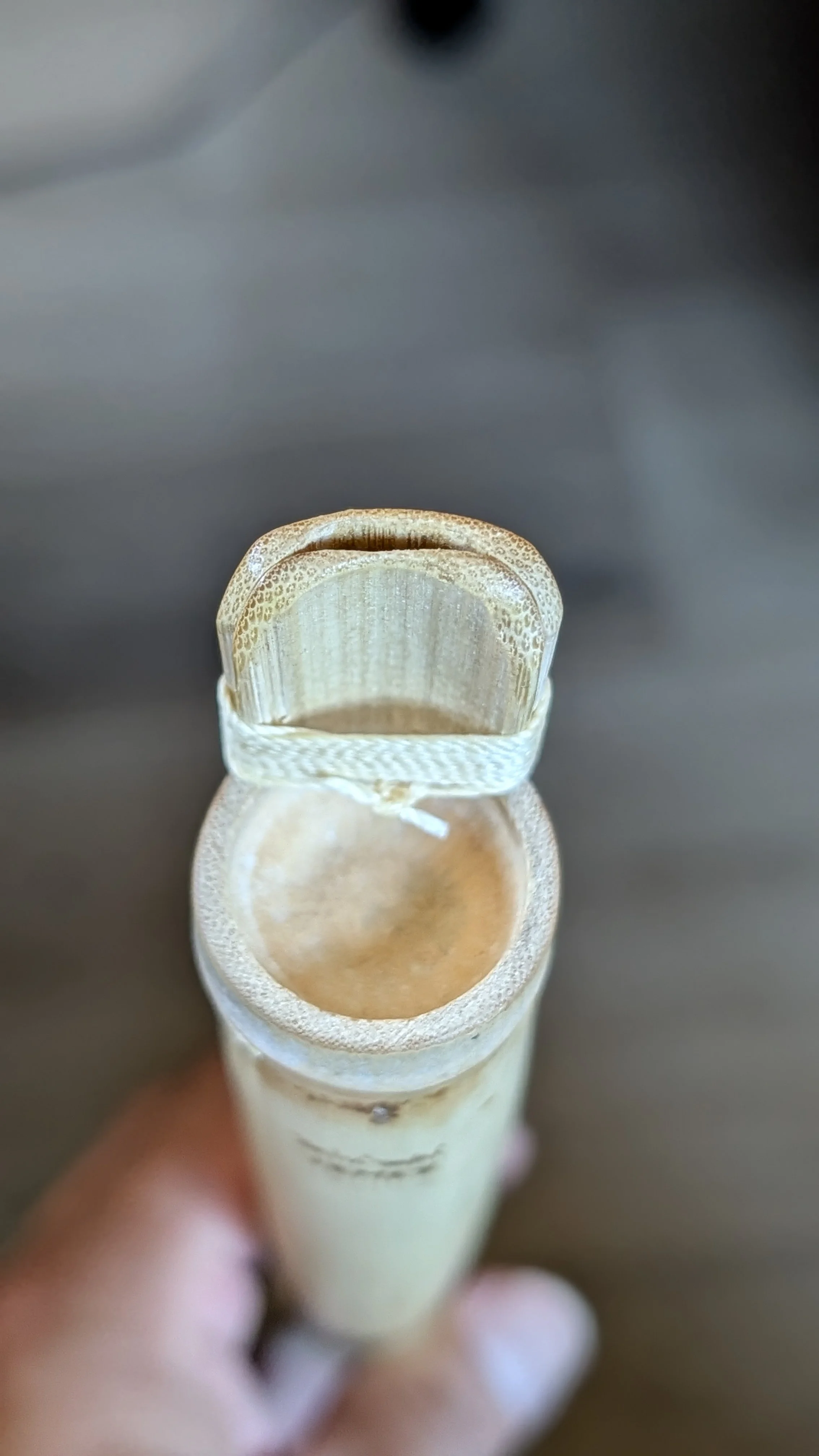
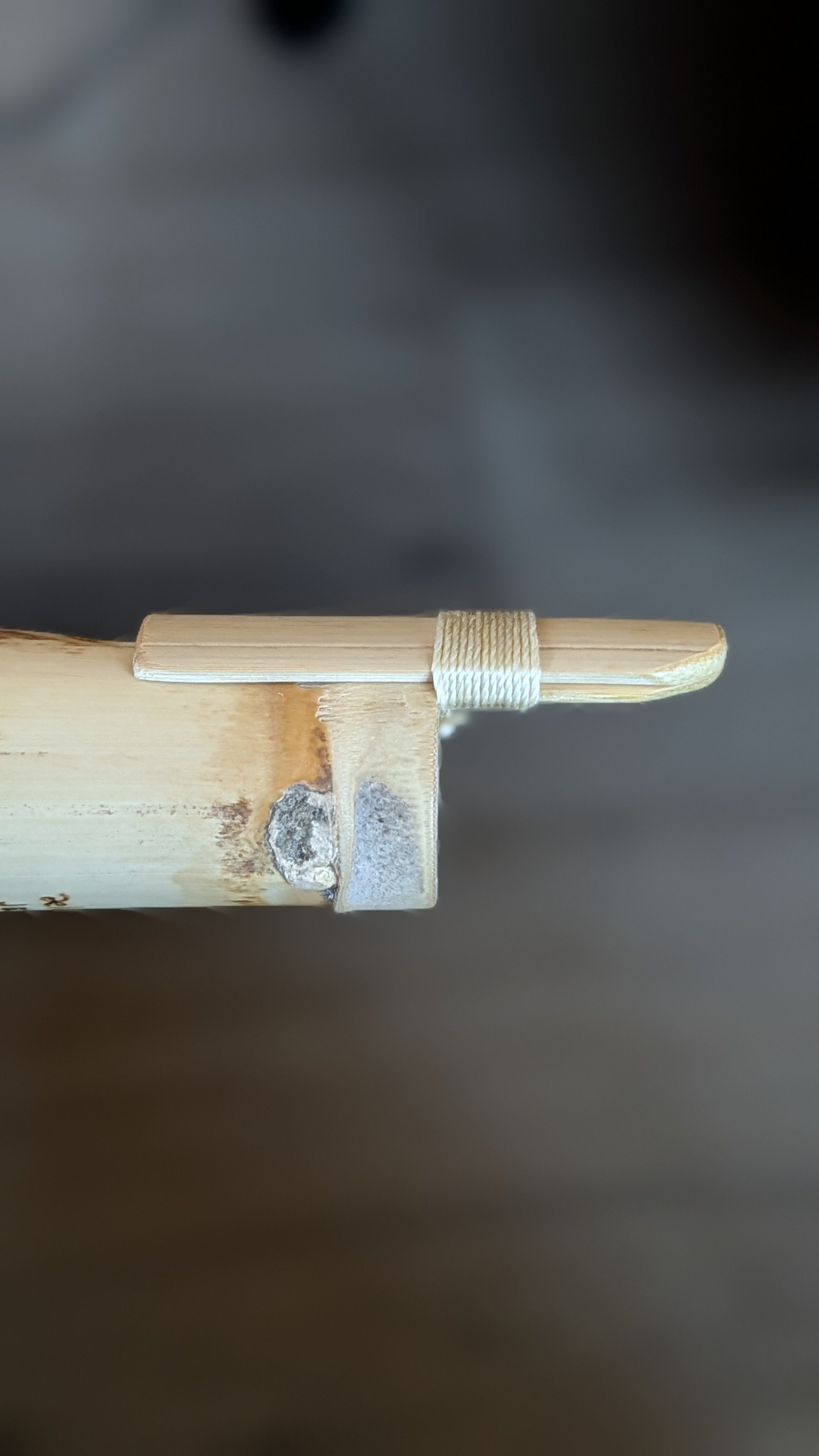
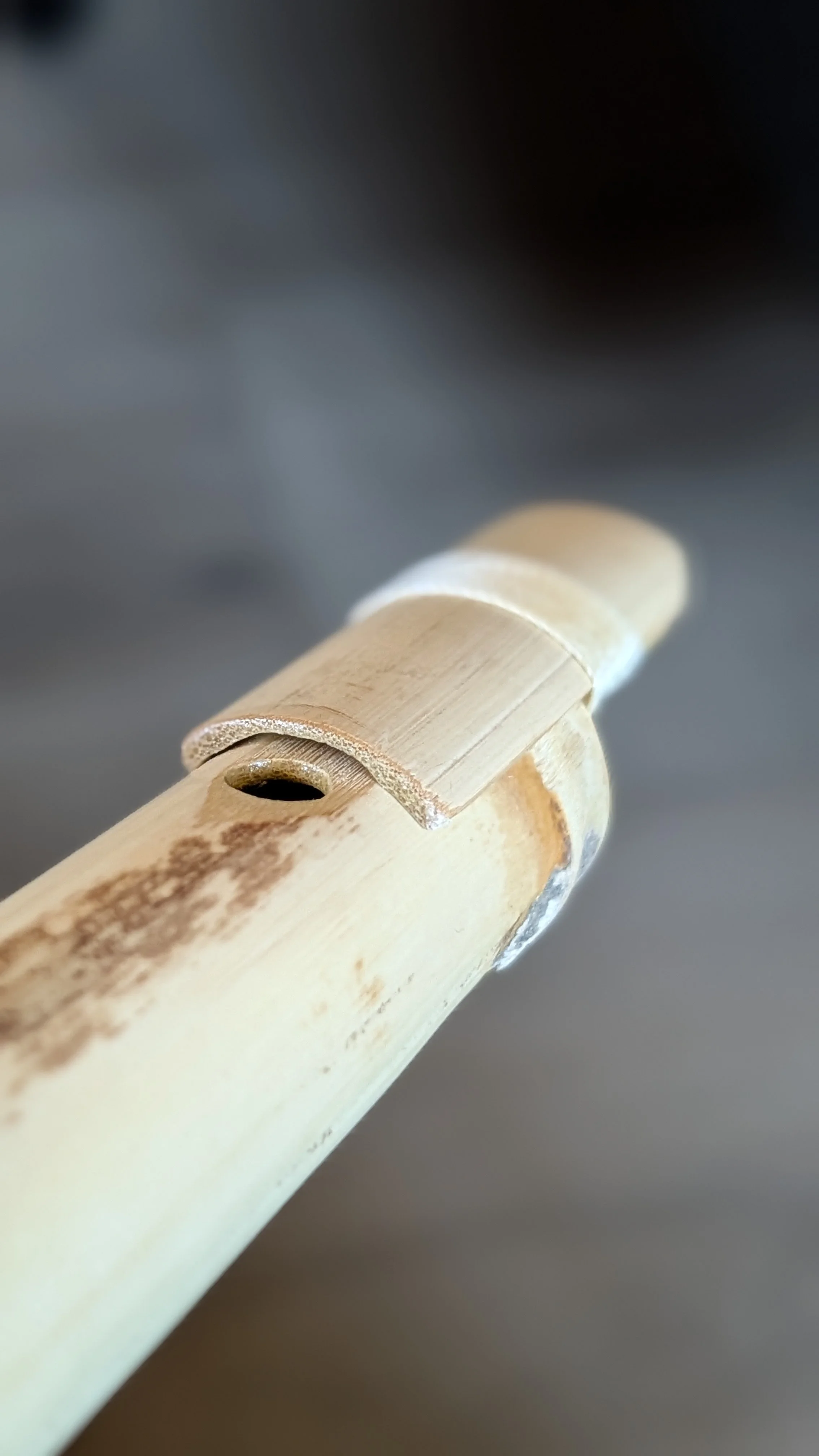
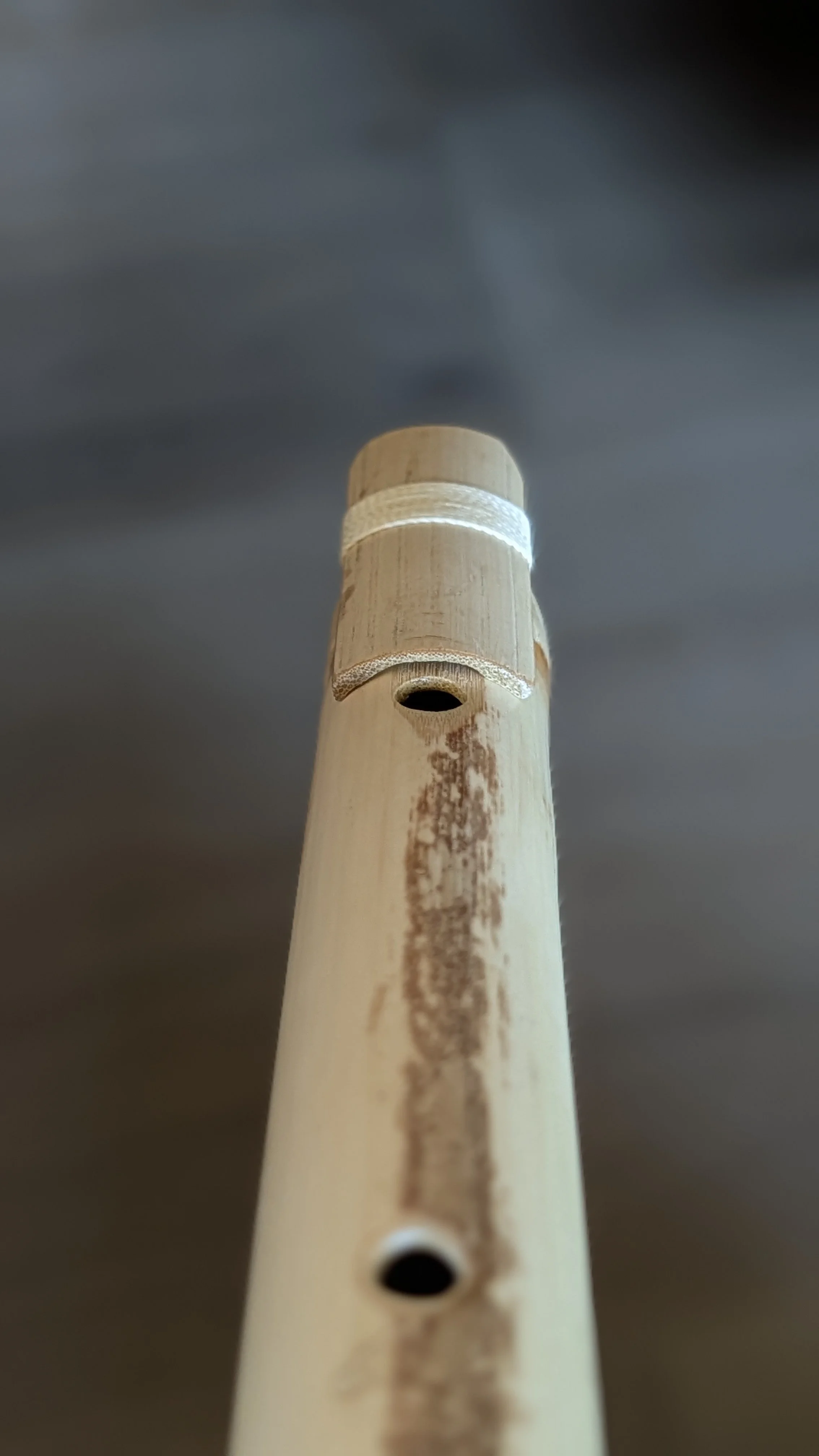
Most modern "Native American Style Flutes" are two-chambered. Rarámuri-style flutes are single-chambered traditional instruments crafted by the indigenous Rarámuri people (also called Tarahumara) of the Barranca del Cobre (Copper Canyon) region in Chihuahua, Mexico. The player's breath goes directly toward the block, which is attached with string or leather; this simple design and direct airflow make these flutes especially accessible for beginners. These instruments typically have three to four finger holes.
History:
Origins and cultural context: Rarámuri flutes have a long history among the Rarámuri people, who live in remote canyons and plateaus of the Sierra Madre Occidental. Flutes were used in daily life, ceremonies, courtship, and storytelling, often accompanying singing, foot-running rituals, and community gatherings. The instrument’s portability and straightforward construction fit well with the Rarámuri’s itinerant and outdoors-oriented lifestyle.
Design evolution: Traditional single-chambered Rarámuri flutes emphasize direct sound production—air blown across a block or plug produces tone without an internal slow-air chamber. This contrasts with the later two-chambered North American "Native American Style" flute, which routes breath through a slow-air chamber before reaching the sound edge, producing a more stabilized tone and enabling complex voicings and harmonics. The Rarámuri form likely predates those later two-chamber designs in the region, reflecting distinct construction philosophies and musical uses.
Materials and craftsmanship: Historically, Rarámuri flutes were carved from local woods or reed, with the block secured by leather, sinew, or plant fiber. Makers tuned hole placement by ear, and variability between instruments reflected local maker styles and intended pitch ranges. The small number of finger holes simplifies scale choices but supports expressive melodic play within traditional modes.
Modern interest and continuity: In recent decades, interest from collectors, musicians, and instrument makers has increased awareness of Rarámuri flutes. Some contemporary makers recreate traditional forms for educational use and performance, while others adapt materials and hole patterns to broaden tuning options. Respect for cultural context and collaboration with indigenous communities are important when presenting or reproducing these instruments today.